
In July 2010, Don Lippert filed a lawsuit against the Illinois Department of Corrections, stating that more than 50,000 prisoners were experiencing needless pain and suffering due to inadequate medical and dental care. In 2017, this lawsuit was certified as a class action.
We represent all people in IDOC custody with serious medical and dental care needs. We believe that the medical and dental care is so bad that it amounts to “cruel and unusual punishment,” which violates the Eighth Amendment of the Constitution.
"Prisoners are provided care which is so inadequate that serious illnesses are left untreated, people are forced to live in pain for months with easily treatable conditions, and in some cases have suffered permanent damage, had legs amputated, and even died as a result.” - Alan Mills, former UPLC Executive Director
In June 2017, an expert (former IDOC medical Director, Ronald Shansky) filed a report documenting pervasive problems ranging from broken equipment and lack of basic sanitation and infection control, to gross medical errors coupled with failures in basic care and follow up. The report even criticized the Illinois Department of Corrections for not having qualified physicians.
In May 2019, we reached a settlement agreement with IDOC. As part of this agreement, called a consent decree, the State of Illinois agreed to a court-approved monitor. The monitor will oversee a complete overhaul of the system providing medical and dental care to almost 30,000 prisoners. Our consent decree outlines several action items for IDOC. The consent decree is expected to expire in May 2029.
After years of inaction by IDOC, we are now in court to enforce this settlement agreement. We are particularly concerned about the high vacancies in medical staff positions that are leading to long delays in necessary medical care. Other key provisions of the consent decree that we are closely monitoring include requirements for IDOC to do the following:
- Address staff shortages and quality. Create a statewide plan to hire, train, and supervise qualified doctors and other medical personnel.
- Create an electronic medical record system.
Shorten delays in getting outside surgery or consultations.
- Make changes in clinic space and sanitation, intake processing, nursing sick call, chronic disease management, medication administration, infection control, healthcare policies, and the dental program.
This case is not for money damages. We are only requesting injunctive relief, which is a court order for IDOC to make changes to its healthcare system. Class members in this case may still file individual lawsuits for money damages, though we are unable to help with this. See our resources tab for more information on filing a grievance, medical rights in prison, and filing a federal civil rights lawsuit from prison.
If your loved one in prison is experiencing issues getting medical or dental health care, we recommend the following steps:
- Have the person in custody file a grievance with the prison.
- Contact IDOC’s constituent services to ask for assistance.
- Contact your state representatives and the governor’s office.
- Review our KYR guide on medical care (see our resources tab).
- Have your loved one write to our office with a description of the issue they are facing.
We read every letter that is sent to us, though we cannot always provide an individualized response because we represent so many people. We value hearing about individuals’ experiences, as they help us understand what is going on inside IDOC. This knowledge helps us fight to change the system for the better.
Attorneys from: Uptown People’s Law Center, ACLU of Illinois, and Denton’s LLC.
Date Filed: July 23, 2010
Court: U.S. District Court for the Northern District of Illinois
Judge: Judge Jorge Alonso
Status: Active
Case Number: 10 C 4603
Documents:
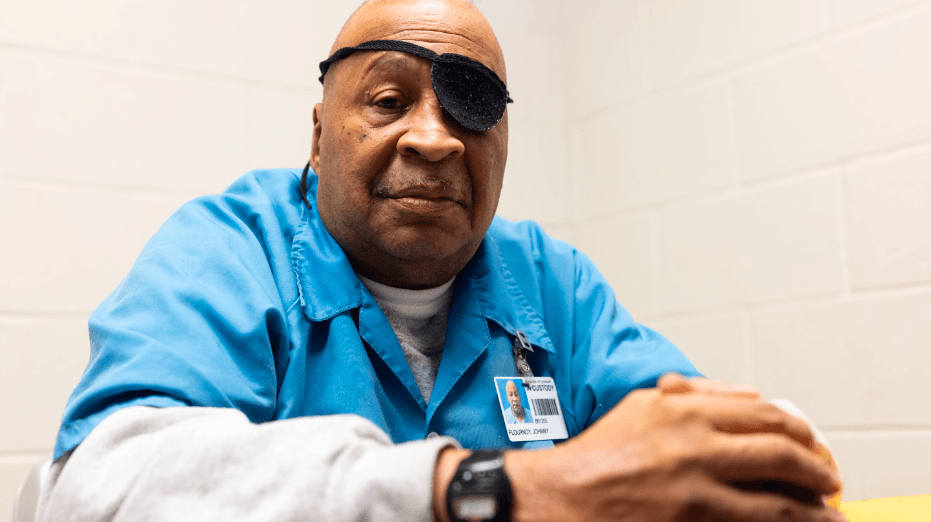
Even though the Illinois Department of Corrections has been under a consent decree since 2019, the state continues to fail to provide adequate medical and dental care to incarcerated people, according to reports from an independent court monitor, legal experts and people held in Illinois prisons.
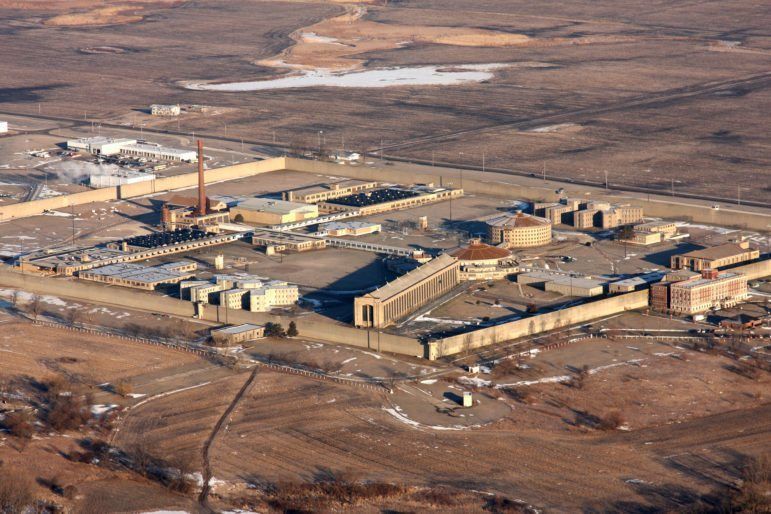
More than a decade has passed since incarcerated people filed a class action lawsuit accusing the Illinois Department of Corrections of failing to provide adequate medical care to people in custody. But health care in the state’s prisons still falls short, and the department isn’t moving quickly enough to fix the myriad problems, according to a new report from an independent monitor.
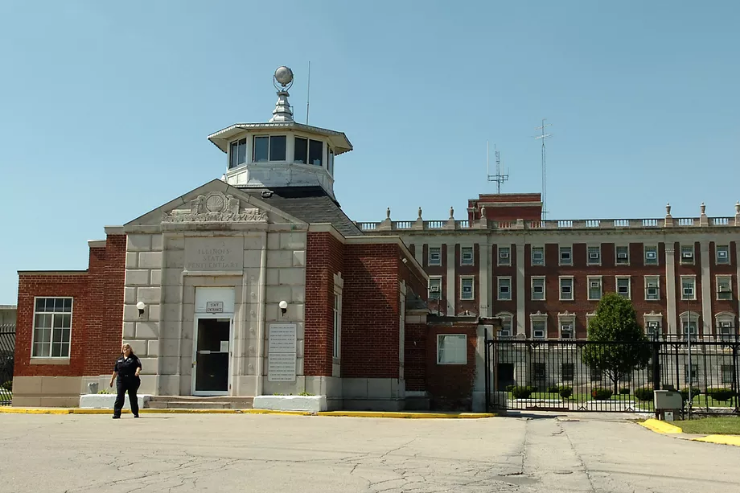
In letters and interviews, men inside the facility describe conditions they say are continuing to drive infections at the Illinois prison hardest hit by coronavirus.
An amended lawsuit filed against Rob Jeffreys, director of the Illinois Department of Corrections, and Gov. J.B. Pritzker last week claims that the state’s prison system has failed to protect medically vulnerable prisoners from COVID-19.
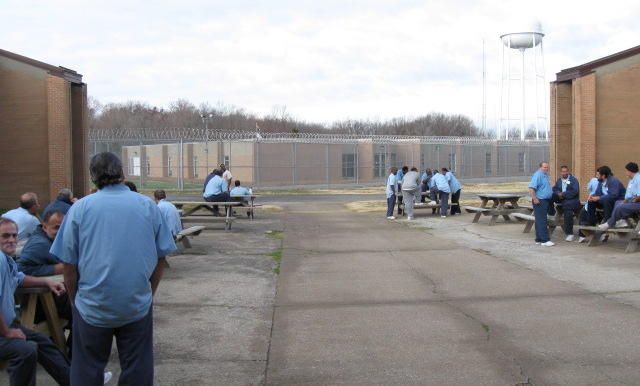
For weeks, two houses in Illinois’ Vienna Correctional Center ran on generator power and had intermittent failures. The outages made it harder to use the shared bathroom, one of the few places they could wash their hands.
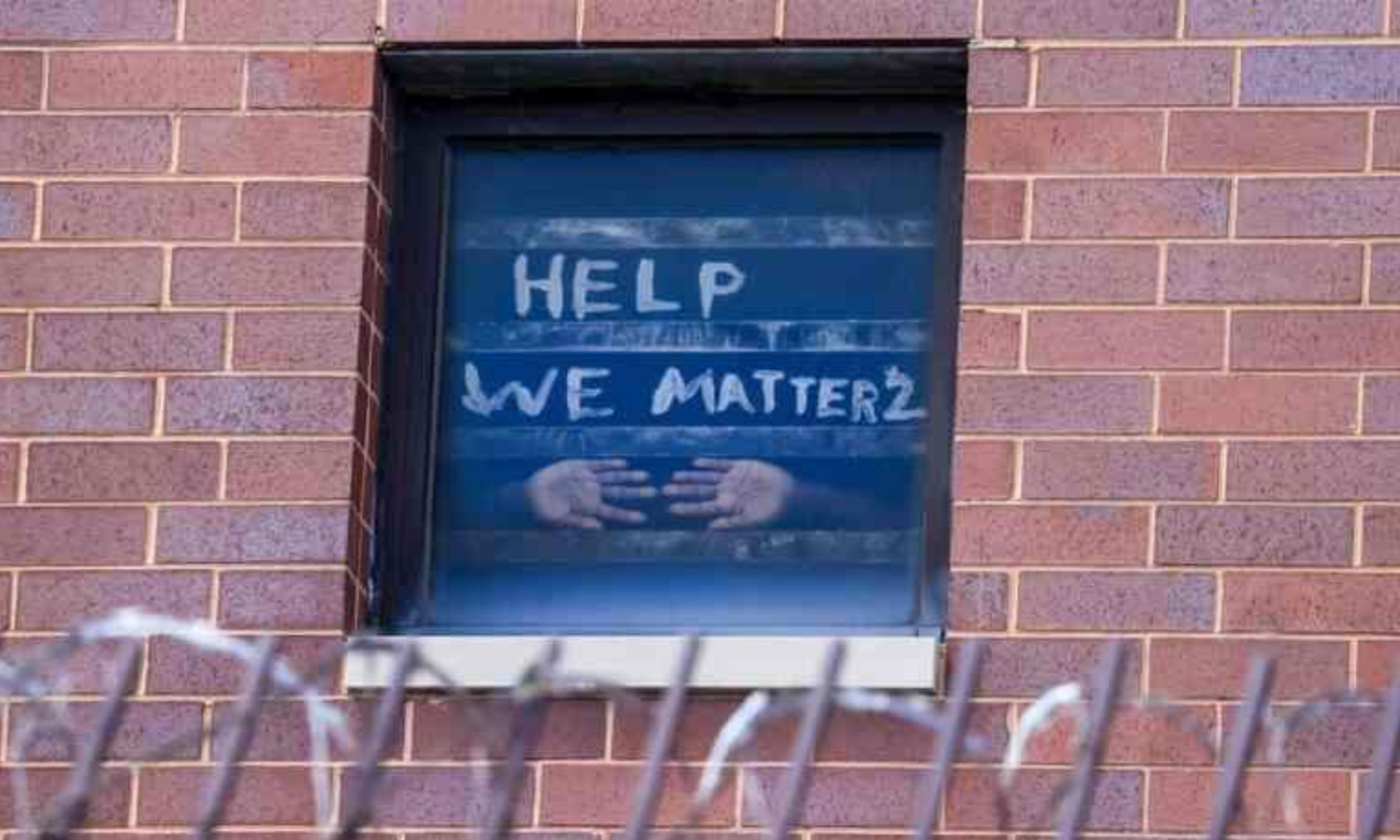
COVID-19 continues to have a devastating effect on one of Chicago’s most vulnerable congregate populations: jail and prison detainees. At least 153 inmates and 147 staffers in Illinois state prisons are currently diagnosed with the novel coronavirus, according to the Illinois Department of Corrections
As efforts continue to slow the spread of COVID-19 at Cook County Jail by reducing the inmate population, Gov. J.B. Pritzker could help the effort with the stroke of a pen.
Today’s guest is Alan Mills, the Executive Director of the Uptown People’s Law Center in Chicago. Alan has been fighting for the rights of imprisoned people for decades and has played a key role in recent efforts to free prisoners who are locked in facilities where the coronavirus is spreading like wildfire. Alan, welcome to the show.
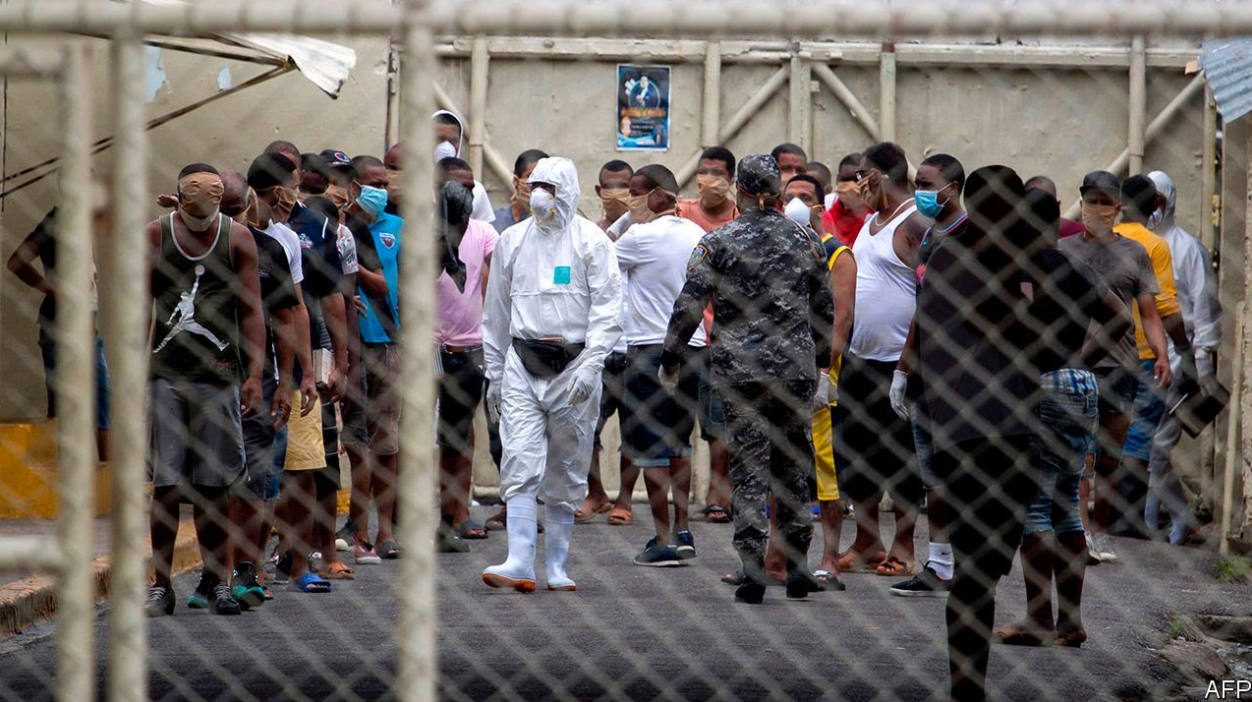
Preventing the spread of covid-19 is difficult everywhere. But prisons are among the hardest places to protect. Worldwide there are 11m behind bars, according to Penal Reform International, a pressure group. That is the highest figure ever.
An Illinois lawmaker and a county sheriff are raising fresh concerns about Gov. J.B. Pritzker’s decision to release inmates as the spread of COVID-19 continues in the state’s prisons, including questions about transparency.
